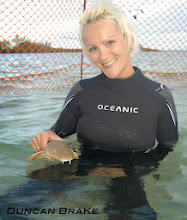
Showing posts with label Jillian Morris OceanicAllstars. Show all posts
Showing posts with label Jillian Morris OceanicAllstars. Show all posts
Wednesday, September 26, 2012
What’s SUP?
The sport of SUP ( Stand Up Paddleboard) is taking over and although I am very new to it, I love it. It is a brilliant way to see the world without noisy interference. I was recently interviewed on the SUP Radio Show talking about sharks. SUP followers love water and with this comes a want to keep our oceans healthy. Sharks are necessary for healthy oceans, so the pieces all fit together for one common goal.
MY INTERVIEW
Thanks Leslie for bringing sharks into the mix. Can’t wait to get you in the water!


Friday, September 21, 2012
Oceanic White Tip Sharks Need Your Help!!!!!!!
The US has said they would put forth a proposal to get Oceanic White Tip sharks listed on the Appendix II at CITES and this has yet the happen. The deadline is fast approaching and sharks need us now. Please contact your US representatives and Secretary of the Interior Ken Salazar.
Ken Salazar:
Secretary of the Interior Ken Salazar
Phone: (202) 208-3100
E-Mail: feedback@ios.doi.gov
FIND YOU REPRESENTATIVES HERE
FIND YOUR SENATORS HERE
My letter:
Mr. Salazar:
Oceanic whitetip sharks have declined dramatically and need to be protected. CITES, the Convention on International Trade in Endangered Species of Wild Fauna and Flora, is the only international body that can provide meaningful global protection.The United States government has been expected to propose oceanic whitetips for Appendix II listing at CITES. However, the October 4th deadline is approaching and there is still no sign of a proposal. Sharks are necessary for the survival of our oceans and our planet needs sharks. Please speak up on behalf of the environment and help protect these amazing animals.
Cheers,
Jillian
Also check out SHARK SAVERS for more information.
Wednesday, September 19, 2012
"WHOOPIE" FOR SHARKS!!!!!!

I will happily and enthusiastically talk to anyone about sharks and I am sure those that know me can attest to this. I especially love talking to kids about sharks and today I did just that at two different schools. My first visit was to Central School in South Berwick, Maine; a school that I attended as a 5th grader. A little surreal to step foot into that miniature world again as an adult.
I talked to 6 second grade classes broken into 3 groups. I prefer smaller groups because it makes interaction between me and the kids a lot easier. It also means I can usually get to everyone’s questions. I am not one to talk at students, but want to hear what they think and engage them in conversations. I probably ask them almost as many questions as they ask me. I want them to know that what they have to say is important and that they can make a difference. I cannot stand there in front of them and tell them that they can help sharks and then not offer them the chance to speak up.
I have an outline for the presentation, but let each group guide the flow. Each group of students is unique with a dynamic range of stories and questions. If they want to talk about shark ears for a while then we can talk about shark ears for a while. They do get a giggle when the image of a lemon shark with human ears pops onto the screen. I love that laughter.
Once again I was pleasantly surprised with the amount of knowledge these kids have about sharks and the problems they are facing. They have more passion than they can even realize at this stage in the life, but it is raw, powerful and infectious. The smiles on their faces and the hugs after the talk are worth more than all the money in the world. Yes, I am getting a little choked up at the moment.
One little girl had her desk lined with stuffed sharks. AWESOME! I met each shark and then she got to meet Lucky.
In the last class I visited a few of the kids came up and asked for my autograph and if I could draw a shark for them. OH MY GOD!! This made my heart melt. They were so sincere and I quickly began scribbling the cartoon shark I always draw onto pieces of paper with giant Crayola markers and crayons! I don’t feel worthy of signing autographs, but I can hope that those pieces of paper stand as a reminder for those kids that they can helps sharks and they can help our oceans.


Great thank you cards!!!
Kids are like amazing sponges at that age and it is important to provide them with positive images and facts about the ocean world. There are so many negative things about sharks that define most encounters they will have; I want to give them tools to questions those, “ myths.” and dare to speak up. They are all junior scientists that can ask questions just like real scientists. This is an important job and I know most of the them will take it very seriously.
I traveled to the next school to speak to the first graders at Berwick Academy. They gathered on the floor around me and I found myself sitting down next them. We chatted about sharks, talked about the oceans and they got to pass around some sharks tags and even Lucky and Monty got some love.


After four 45 minute presentations I am exhausted, but my heart is happy. I gain even more respect for teachers every time I visit a school. Teachers do this everyday without the recognition they deserve and I want to thank Erin Darling at Central and Susan Morris at Berwick Academy for being integral in facilitating my visit to the schools. I am looking forward to many more. Also, thank you Erin for the whoopie pies. You obviously know the way to a Maine girl’s heart! Thank you Kelsey Boston and Dylan for getting the ball rolling on my visit to Central.

Thanks to Maine kids for caring about Sharks! I look forward to the next time I visit!
Monday, September 17, 2012
Kids Ask, "Why Do People Kill So Many Sharks?"

Today I talked to 6th graders at Berwick Academy about sharks and why they need our help. We started to talk about finning and one girl raised her hand. “ Why do people kill so many sharks?” This is an excellent question. The answer changes dynamically depending on where in the world you are, but money, greed and fear are my top answers. Yes, people kill sharks to eat them, but for the most part shark populations are being decimated because of money and greed. A single whale shark fin can sell for $15,000 US. It provides no nutritional value, is environmentally detrimental and really serves no purpose at all. The fishermen that spend months at sea in terrible conditions do not see those millions. A limited few reap the, “benefits,” of the shark slaughter. It boggles my mind that the money and power of so few can impact so many.
I always remind the kids that they have a voice. It is hard to think at the age of 11 or 12 that you can say or do a lot that will have an impact, but it does. Kids have a connection to the world and access to the tools to save it. They can influence their parents purchasing power, educate other adults around them and then in turn make their own choices as they grow up.
If I try to convince a 40 year old fisherman that slaughtering a shark just for its jaws is wrong, I might get a hostile response decorated with some colorful expressions. If his son or daughter asks him why he does it or asks him to stop, then he might actually think about the situation. Kids are powerful and their voices are heard.
This group is lucky because their science teacher, my mom, will discuss sharks throughout the year. She will be able to share her own experiences because she has been to Australia to tag tiger sharks. How awesome is that? My mom’s passion for the ocean is infectious and I wish that more kids could have a teacher like her!
I wish I could visit classrooms every week because it is a constant reminder of hope and inspiration.
Thanks to Berwick Academy for opening up your classrooms and making a difference. Thanks to my mom, Mrs. Morris, for being an amazing role model and shark lover!

Sunday, April 1, 2012
Conservation Questions? Just Ask!
I am really excited to be a part of the Crystal Clear Apnea family. As an avid freediver, this is a very informative site. I am looking forward to answering a lot of great ocean conservation questions.
ASK ME

ASK ME

Saturday, March 24, 2012
Bimini: 2 Hours of Turtle Love
Probably the worse thing about Bimini, for us anyways, is being stuck on shore when the weather is beautiful. Duncan and I were more or less stuck for over a week and we going a little stir crazy. Normally we would rent a boat, but the resort is really busy, so we were dry-docked. We went down to the beach each day and enjoyed a swim in the sea, but we were anxious to do some freediving.
Our first day out was a bit of bummer for me, as my first few dives left my sinuses pounding. I kept diving and they loosened a bit, only to get unbearable when I returned to the water post peanut butter and banana sandwich. Having fought this strep throat, flu, cold, and sinus infection thing for nearly 6 weeks, I finally broke down and started a series of antibiotics. I gave it a few days rest, but was missing the ocean like a kid staring at a Christmas present that they cannot open.
We made plans to hit the water with Sean, a former lab manager and I could hardly sleep because I was so darn excited. I got up early to make sure all the gear was ready and paced around waiting for 10:00 am to arrive. We loaded the boat and headed out. We decided just to bring the video camera, as the boat was small and we didn’t want to load it up with gear.
We made our way to the first reef and Sean said we might have a tiny guest as soon as we hit the water. Apparently they had made friends with a small green turtle on the last few visits and like he was on cue, our little friend appeared. Duncan had his legs over the side and the turtle started nibbling on his fins. As we slipped in the water he immediately came to the camera. He swam in circles around us, getting so close to the camera it was difficult to film him at times. I was giggling and chatting with him, completely amazed at his curiosity.


I suggested calling him “Einstein” because if he exhibits this curiosity with another large object (think tiger shark) his luck might not be the same. As I was dancing at the surface with the little green turtle he swam over the dome port and onto the monitor before flopping away. I thought he was going to end up as a new hat for me. Sean and I both laughed loudly through our snorkels.
If you have not seen a green turtle up close they are truly remarkable. They have gentle and inquisitive eyes and delicate little mouths. The markings on their shells are intricate designs with no two exactly alike. When they are small the colors are brighter because they have not been covered with algae, scars or barnacles. They are almost like cartoon characters at this size. Think, “Crush” from Finding Nemo.

I am not sure if Einstein understood what we were or if he was just lonely on his little reef. I say he, but at this size it is difficult to tell gender. He visited Duncan, Sean and I each in turn, giving tons of love to the camera and amusing all of us. We fed him a little snack and he ate until his little belly was full and he was tired of our fishy games.


It was a really special moment, completely wild and very rare. I have seen plenty of turtles on dives, but they usually do not stick around for very long. It is also really nice to see turtles making a come back in the Bahamas now that it is illegal to take them. For many years turtle meat and turtle soup were seen on menus across the islands and considered a delicacy.
We finished our dive after nearly 2 hours in the water and climbed back in the boat. Duncan and I both, were completely blown away and thanked Sean for one of the coolest animal encounters we have ever had. Those moments where you actually connect with a wild animal and communicate without saying a word are moments that define what it is to live. All the money in the world could never buy that and there are no rules, no stress, just two animals at peace with each other and the ocean.
As we enjoyed our peanut butter and Bimini Bread sandwiches we saw some fins in the distance. We pulled anchor and headed to see if they were bottlenose or spotted dolphins. We were all hoping for spotted because they are highly social and will happily play. Unfortunately they were bottlenose and they were in a feeding pattern, so we were of absolutely no interest to them. One showed off a bit doing a small jump behind us and one did a few close passes to check us out. It looked like it had been through the wars and was probably a large male that had seen many a battle over a prize female. They continued on about their business and we headed on our way.

We headed to our next site and warmed up a bit before slipping in. When I put my face in the water all I could see was massive schools of fish. Some artificial wreckage and healthy coral patches have created a sanctuary off the sand flats. Huge schools of grunts, snappers and jacks painted the landscape with a wall of juvenile grunts on one side. I dove down and began exploring the underwater paradise.
My lungs were stretched out and I felt comfortable now lying on the bottom and just watching the show. I found a pair of spot fin butterfly fish and watched them for a while. I love how they are always in pairs; it makes my heart happy to see love on the reef. We found a nurse shark wedged under some wreckage and got it to come out for a snack. Unimpressed by the snack it flicked its tail and left, annoyed no doubt that we had disturbed it.

We worked up and down the reef looking for fish and filming some critters. I followed a trumpet fish as it hung upside down in a feeding posture. There were several male sergeant majors guarding their eggs with the dark blue color morph they take on when doing so. Two spotted moray eels picked up morsels from the snack we left for the nurse shark. They darted in and out trying to get their piece of the pie. Spanish hogfish, yellow tail snapper, banded butterfly fish and blue striped grunts darted in the check out the commotions and enjoy a tidbit of the lobster that was quickly vanishing.
After nearly 3 hours in the water we decided to call it a day. I love salty skin in the sunshine as the breeze washes over, while you zip along over the water. The ocean around Bimini is literally and metaphorically a buried treasure. The lure of Bermuda Triangle, The Road to Atlantis, and random shipwrecks with stories of adventures past, all rest just off the white sand beaches of this island in the stream. There are always new spots to discover and explore, so the island changes for me every time I visit. We headed along the west shore of the south island and started looking for eagle rays. They have been everywhere since we have been here including 6 in the marina just cruising around. Sure enough, just a long the beach we found a large one cruising along. Pretty epic to say, “ let’s go look for eagle rays,” and then go and find them within a minute or two.

Our first day out was a bit of bummer for me, as my first few dives left my sinuses pounding. I kept diving and they loosened a bit, only to get unbearable when I returned to the water post peanut butter and banana sandwich. Having fought this strep throat, flu, cold, and sinus infection thing for nearly 6 weeks, I finally broke down and started a series of antibiotics. I gave it a few days rest, but was missing the ocean like a kid staring at a Christmas present that they cannot open.
We made plans to hit the water with Sean, a former lab manager and I could hardly sleep because I was so darn excited. I got up early to make sure all the gear was ready and paced around waiting for 10:00 am to arrive. We loaded the boat and headed out. We decided just to bring the video camera, as the boat was small and we didn’t want to load it up with gear.
We made our way to the first reef and Sean said we might have a tiny guest as soon as we hit the water. Apparently they had made friends with a small green turtle on the last few visits and like he was on cue, our little friend appeared. Duncan had his legs over the side and the turtle started nibbling on his fins. As we slipped in the water he immediately came to the camera. He swam in circles around us, getting so close to the camera it was difficult to film him at times. I was giggling and chatting with him, completely amazed at his curiosity.


I suggested calling him “Einstein” because if he exhibits this curiosity with another large object (think tiger shark) his luck might not be the same. As I was dancing at the surface with the little green turtle he swam over the dome port and onto the monitor before flopping away. I thought he was going to end up as a new hat for me. Sean and I both laughed loudly through our snorkels.
If you have not seen a green turtle up close they are truly remarkable. They have gentle and inquisitive eyes and delicate little mouths. The markings on their shells are intricate designs with no two exactly alike. When they are small the colors are brighter because they have not been covered with algae, scars or barnacles. They are almost like cartoon characters at this size. Think, “Crush” from Finding Nemo.

I am not sure if Einstein understood what we were or if he was just lonely on his little reef. I say he, but at this size it is difficult to tell gender. He visited Duncan, Sean and I each in turn, giving tons of love to the camera and amusing all of us. We fed him a little snack and he ate until his little belly was full and he was tired of our fishy games.


It was a really special moment, completely wild and very rare. I have seen plenty of turtles on dives, but they usually do not stick around for very long. It is also really nice to see turtles making a come back in the Bahamas now that it is illegal to take them. For many years turtle meat and turtle soup were seen on menus across the islands and considered a delicacy.
We finished our dive after nearly 2 hours in the water and climbed back in the boat. Duncan and I both, were completely blown away and thanked Sean for one of the coolest animal encounters we have ever had. Those moments where you actually connect with a wild animal and communicate without saying a word are moments that define what it is to live. All the money in the world could never buy that and there are no rules, no stress, just two animals at peace with each other and the ocean.
As we enjoyed our peanut butter and Bimini Bread sandwiches we saw some fins in the distance. We pulled anchor and headed to see if they were bottlenose or spotted dolphins. We were all hoping for spotted because they are highly social and will happily play. Unfortunately they were bottlenose and they were in a feeding pattern, so we were of absolutely no interest to them. One showed off a bit doing a small jump behind us and one did a few close passes to check us out. It looked like it had been through the wars and was probably a large male that had seen many a battle over a prize female. They continued on about their business and we headed on our way.

We headed to our next site and warmed up a bit before slipping in. When I put my face in the water all I could see was massive schools of fish. Some artificial wreckage and healthy coral patches have created a sanctuary off the sand flats. Huge schools of grunts, snappers and jacks painted the landscape with a wall of juvenile grunts on one side. I dove down and began exploring the underwater paradise.
My lungs were stretched out and I felt comfortable now lying on the bottom and just watching the show. I found a pair of spot fin butterfly fish and watched them for a while. I love how they are always in pairs; it makes my heart happy to see love on the reef. We found a nurse shark wedged under some wreckage and got it to come out for a snack. Unimpressed by the snack it flicked its tail and left, annoyed no doubt that we had disturbed it.

We worked up and down the reef looking for fish and filming some critters. I followed a trumpet fish as it hung upside down in a feeding posture. There were several male sergeant majors guarding their eggs with the dark blue color morph they take on when doing so. Two spotted moray eels picked up morsels from the snack we left for the nurse shark. They darted in and out trying to get their piece of the pie. Spanish hogfish, yellow tail snapper, banded butterfly fish and blue striped grunts darted in the check out the commotions and enjoy a tidbit of the lobster that was quickly vanishing.
After nearly 3 hours in the water we decided to call it a day. I love salty skin in the sunshine as the breeze washes over, while you zip along over the water. The ocean around Bimini is literally and metaphorically a buried treasure. The lure of Bermuda Triangle, The Road to Atlantis, and random shipwrecks with stories of adventures past, all rest just off the white sand beaches of this island in the stream. There are always new spots to discover and explore, so the island changes for me every time I visit. We headed along the west shore of the south island and started looking for eagle rays. They have been everywhere since we have been here including 6 in the marina just cruising around. Sure enough, just a long the beach we found a large one cruising along. Pretty epic to say, “ let’s go look for eagle rays,” and then go and find them within a minute or two.

Sunday, March 11, 2012
Layin Low in Bimini: It's Good to be Home
Home is said to be,” where your heart is,” and for most people this goes along with the place they sleep, keep their belongings, have pets, raise their children and build their life. For Duncan and I the meaning is a bit more literal, with home being where our hearts, as physical organs, happen to be. We spend most of the year on the road and have, without even realizing it, become accustom to defining wherever we are as home. It is not home by most definitions, but it works for us. We even say we are heading home when leaving a restaurant or pub in some strange city rather than saying we are going back to the hotel. It just seems natural and happens without us realizing it, although we usually have a giggle about it. Sometimes we even get to unpack our suitcases and put clothes into drawers. It is strange and aside from their week vacation, the idea probably terrifies most people, but we have made it our life.
This uncanny ability flows with us across the globe, invisibly packed in our checked luggage, never costing us overage, only bringing us a sense of comfort wherever we are. I am sure being a working couple, traveling together, also aides in the process. There are, however, some places that really feel like home in the more traditional sense of the word and the islands of Bimini are one of those places for us. Bimini is located approximately 50 miles from the east coast of Florida and has a rich history of fishing, rum and mystery. Hemingway and the Rat Pack were regulars in their hay day, rumrunners used the island during prohibition and the road to Atlantis is thought to lie just off shore. The islands are also home to the world-renowned Bimini Biological Field Station (Sharklab) and the ocean is teaming with a diverse population of sharks.


Continental has a larger plane that flies to the island, but the standard planes are 8-10 passenger because the runway is fairly small. The great thing about small planes is the view of the island as you approach and a unique feeling of being closer to everything as you take off and land. On large planes you can get lost in the mass of people and may not even be able to see out a window. There is no bad seat on a tiny plane, well unless your head is hitting the ceiling. You might also have a big screen television or other home appliance buckled into the seat next to you. We have buckled in camera housings and Pelican cases before. The journey is really the start of the island experience.


When I wrenched myself out of the tiny seat at the back of the plane and unfolded my legs hoping they would work, I breathed in the island air. The islands run on a different schedule and it takes a minute to get into that groove. We flew Pioneer Air for the first time and arrived at a warehouse in Fort Lauderdale’s Executive Airport that was shut up and looked abandoned. Their agent assured us over the phone that we were in the right place, but they were running a little late. And so it starts. We corralled our luggage around the door and waited. I am drafting an email to my friends, who will be flying over for our wedding in a month, regarding the less than strict flight schedule they may encounter. We checked in for our 12 o’clock flight at 11:30 and Duncan helped the pilot load luggage onto the plane.
Duncan and I had 10 bags with us including 2 computers, hard drives, 2 full scuba kits, 2 underwater camera housings, 3 cameras, wedding favors, 3 wedding dresses, a kilt and a few other clothing items. Shenae and Craig were great and managed to get all but 3 of our bags on our flight. They assured us that they would arrive on the 4 pm flight. No worries. Probably seems bizarre to people reading this that we would just leave our luggage, but if you think about it you leave your luggage with less caring strangers every single time you fly! We had a full house of 8 on the plane and although I wanted to fly as co pilot, I opted to stay in the back on hold gear along with Duncan. The plane seats 10 with the pilot, having one seat in the cockpit next to him.

There is no lengthy safety briefing, no beverages or peanuts are served and there is no toilet. You reach altitude and begin your descent with the total flight time being approximately 20 minutes. We lucked out with a clear day and could see the island from quite a distance. There is a shade of blue that I have only ever seen in the ocean around Bimini and it is always a magical sight that makes my heart happy.


The tight quarters of the plane make for an easy conversation starter and we chatted with 2 girls that had just traveled to the states from Australia. I always get excited chatting about Australia. One was American now living in Australia, bringing her friend to see the island. We chatted about Aus and things to do on the island and pretty soon the landing gear was going down. Dunk helped unload the luggage again, as it seems a bit unfair that the pilot has to not only fly the plane, but also deal with everyone’s luggage. I fought with 3 dresses and headed to customs. We waited our turn before heading in. The typical questions of “why you are here,” and, “ how long do you want to stay,” were asked as the customs agent stamped my passport. I could feel myself glowing as I answered that I was here to get married in a month! We got our visas and loaded the gear into Nasty’s cab. A nice new carrier van has replaced his old passenger van. Nasty is one of the regular drivers on the island and his megawatt smile is anything but nasty.

The air, the water and the people wrap around you like a massive hug and I immediately felt a sense of ease and comfort. Getting all the gear over and moving it all around was a bit stressful, but all of that melted away. For us, Bimini is like slipping into your favorite pair of comfy pants; all seems right in the world and your entire being settles into a state of relaxation. They might be a bit ratty or frayed, but you cannot get rid of them.
We settled into our home for next 6 weeks at the Bimini Sands before hitting the Petite Conch for lunch. We headed for the beach after lunch to take a walk and test the temperature of that Bimini blue water. This is home for me, the salt air, the sand between my toes and the gorgeous sea surrounding us. These are my white picket fence and well-manicured yard in a safe neighborhood. I made several trips to Bimini before making it my home in 2009. Duncan managed the Sharklab before we both took a job working on a dolphin boat. We have a big family on the island and love hitching rides in golf carts, pot cakes, the water taxi, Saturday morning souse at the Beach Club and all the little nooks and crannies of the underwater world. We are greeted with massive smiles and hugs that make you feel like you are visiting a favorite uncle.

The South Island of Bimini is about 6 miles long and is where we stay when we are on the rock. There are very few cars with golf carts being a more sensible option. You can easily walk everywhere, but most people offer you a lift when they pass by. It’s fun to jump on the back and make new friends or catch up with old ones. Pot cakes are the stray dogs, “ a little bit of everything in the pot,” that roam the island. Souse is a traditional island dish that is anything (meat or fish) boiled down in the juice of fresh limes, lemons or sour oranges. Other ingredients include diced celery, carrot, potato, sliced onions, green peppers, black pepper, Bahamian red peppers and a touch of garlic. The water taxi is a five-minute boat ride between the north and south islands that costs $2.00. All little treasures of this gem floating in the Gulf Stream.
This uncanny ability flows with us across the globe, invisibly packed in our checked luggage, never costing us overage, only bringing us a sense of comfort wherever we are. I am sure being a working couple, traveling together, also aides in the process. There are, however, some places that really feel like home in the more traditional sense of the word and the islands of Bimini are one of those places for us. Bimini is located approximately 50 miles from the east coast of Florida and has a rich history of fishing, rum and mystery. Hemingway and the Rat Pack were regulars in their hay day, rumrunners used the island during prohibition and the road to Atlantis is thought to lie just off shore. The islands are also home to the world-renowned Bimini Biological Field Station (Sharklab) and the ocean is teaming with a diverse population of sharks.


Continental has a larger plane that flies to the island, but the standard planes are 8-10 passenger because the runway is fairly small. The great thing about small planes is the view of the island as you approach and a unique feeling of being closer to everything as you take off and land. On large planes you can get lost in the mass of people and may not even be able to see out a window. There is no bad seat on a tiny plane, well unless your head is hitting the ceiling. You might also have a big screen television or other home appliance buckled into the seat next to you. We have buckled in camera housings and Pelican cases before. The journey is really the start of the island experience.


When I wrenched myself out of the tiny seat at the back of the plane and unfolded my legs hoping they would work, I breathed in the island air. The islands run on a different schedule and it takes a minute to get into that groove. We flew Pioneer Air for the first time and arrived at a warehouse in Fort Lauderdale’s Executive Airport that was shut up and looked abandoned. Their agent assured us over the phone that we were in the right place, but they were running a little late. And so it starts. We corralled our luggage around the door and waited. I am drafting an email to my friends, who will be flying over for our wedding in a month, regarding the less than strict flight schedule they may encounter. We checked in for our 12 o’clock flight at 11:30 and Duncan helped the pilot load luggage onto the plane.
Duncan and I had 10 bags with us including 2 computers, hard drives, 2 full scuba kits, 2 underwater camera housings, 3 cameras, wedding favors, 3 wedding dresses, a kilt and a few other clothing items. Shenae and Craig were great and managed to get all but 3 of our bags on our flight. They assured us that they would arrive on the 4 pm flight. No worries. Probably seems bizarre to people reading this that we would just leave our luggage, but if you think about it you leave your luggage with less caring strangers every single time you fly! We had a full house of 8 on the plane and although I wanted to fly as co pilot, I opted to stay in the back on hold gear along with Duncan. The plane seats 10 with the pilot, having one seat in the cockpit next to him.

There is no lengthy safety briefing, no beverages or peanuts are served and there is no toilet. You reach altitude and begin your descent with the total flight time being approximately 20 minutes. We lucked out with a clear day and could see the island from quite a distance. There is a shade of blue that I have only ever seen in the ocean around Bimini and it is always a magical sight that makes my heart happy.


The tight quarters of the plane make for an easy conversation starter and we chatted with 2 girls that had just traveled to the states from Australia. I always get excited chatting about Australia. One was American now living in Australia, bringing her friend to see the island. We chatted about Aus and things to do on the island and pretty soon the landing gear was going down. Dunk helped unload the luggage again, as it seems a bit unfair that the pilot has to not only fly the plane, but also deal with everyone’s luggage. I fought with 3 dresses and headed to customs. We waited our turn before heading in. The typical questions of “why you are here,” and, “ how long do you want to stay,” were asked as the customs agent stamped my passport. I could feel myself glowing as I answered that I was here to get married in a month! We got our visas and loaded the gear into Nasty’s cab. A nice new carrier van has replaced his old passenger van. Nasty is one of the regular drivers on the island and his megawatt smile is anything but nasty.

The air, the water and the people wrap around you like a massive hug and I immediately felt a sense of ease and comfort. Getting all the gear over and moving it all around was a bit stressful, but all of that melted away. For us, Bimini is like slipping into your favorite pair of comfy pants; all seems right in the world and your entire being settles into a state of relaxation. They might be a bit ratty or frayed, but you cannot get rid of them.
We settled into our home for next 6 weeks at the Bimini Sands before hitting the Petite Conch for lunch. We headed for the beach after lunch to take a walk and test the temperature of that Bimini blue water. This is home for me, the salt air, the sand between my toes and the gorgeous sea surrounding us. These are my white picket fence and well-manicured yard in a safe neighborhood. I made several trips to Bimini before making it my home in 2009. Duncan managed the Sharklab before we both took a job working on a dolphin boat. We have a big family on the island and love hitching rides in golf carts, pot cakes, the water taxi, Saturday morning souse at the Beach Club and all the little nooks and crannies of the underwater world. We are greeted with massive smiles and hugs that make you feel like you are visiting a favorite uncle.

The South Island of Bimini is about 6 miles long and is where we stay when we are on the rock. There are very few cars with golf carts being a more sensible option. You can easily walk everywhere, but most people offer you a lift when they pass by. It’s fun to jump on the back and make new friends or catch up with old ones. Pot cakes are the stray dogs, “ a little bit of everything in the pot,” that roam the island. Souse is a traditional island dish that is anything (meat or fish) boiled down in the juice of fresh limes, lemons or sour oranges. Other ingredients include diced celery, carrot, potato, sliced onions, green peppers, black pepper, Bahamian red peppers and a touch of garlic. The water taxi is a five-minute boat ride between the north and south islands that costs $2.00. All little treasures of this gem floating in the Gulf Stream.
Friday, February 17, 2012
Say NO to Shark on the Menu in Florida
info@sharkbitegrille.com
Sharkbite Grille, located in Jupiter, Florida serves shark on it's menu. Jupiter is home to some groundbreaking shark science and it is an horrific irony that a restaurant would even consider serving such a dish. Please take the time to send a letter and express your concern. Draft your own or copy and paste the one I have written below. Change happens in our own backyards and we need to be aware of what is happening in our neighborhoods.

To Whom It May Concern:
I am writing as a concerned consumer in regards to the shark that is offered on your menu. Thousands of people travel to Florida to have wild encounters with these incredible animals and it is a shame that a Florida restaurant would serve them on their menu. Sharks are crucial for the survival of our oceans and many species are now protected in Florida waters. The waters off Jupiter are home to a groundbreaking study site, where numerous universities and organizations are learning vital information about these animals. Sharks also have extremely high mercury contents, which can cause serious health risks. Please rethink your choice to serve this on your menu and ask yourselves if it is really worth it.
Cheers,
Sharkbite Grille, located in Jupiter, Florida serves shark on it's menu. Jupiter is home to some groundbreaking shark science and it is an horrific irony that a restaurant would even consider serving such a dish. Please take the time to send a letter and express your concern. Draft your own or copy and paste the one I have written below. Change happens in our own backyards and we need to be aware of what is happening in our neighborhoods.

To Whom It May Concern:
I am writing as a concerned consumer in regards to the shark that is offered on your menu. Thousands of people travel to Florida to have wild encounters with these incredible animals and it is a shame that a Florida restaurant would serve them on their menu. Sharks are crucial for the survival of our oceans and many species are now protected in Florida waters. The waters off Jupiter are home to a groundbreaking study site, where numerous universities and organizations are learning vital information about these animals. Sharks also have extremely high mercury contents, which can cause serious health risks. Please rethink your choice to serve this on your menu and ask yourselves if it is really worth it.
Cheers,
Friday, January 20, 2012
Albany South West Australia: Whale Heaven, Shark Hell
This one is tough to write because I love the people we met and the heart that is Albany, but the city has a dark side that is difficult to ignore.
When we travel for work we are usually limited in the range and realm of our exploration. We venture to the nook and cranny restaurants and bars, but do not always get to do a road trip. When we returned to Fremantle on the Brigitte Bardot we got the offer for an impromptu road trip to Albany. Albany is about 5-8 hours by car from Fremantle, depending on which route you travel. We needed to get there, so there was no detour to Margaret River. Notorious for their wine tours, we probably would not have made it to our destination.
We packed our gear into our Nissan X-Trail and headed out. Monty, my ever-present traveling companion perched on our gear, able to keep an eye on our exploits. The landscape changes rapidly as you slip away form the outskirts of Perth and veer inland. The soil becomes redder and the sprawling expanse is far more arid than the cool breeze that is referred to as the, “ Freo Doctor.” Farmland started to fill the roadside with massive cattle, kangaroos, ostrich and alpacas decorating the fields. Small roadhouses were scattered every 50 kilometers or so. We stopped at Lady Rae’s and met Lady Rae, wearing a hat decorated with a sparkly nametag. The world is different here. Time seems to slow way down, like it does when you head to the southern states in America. Words are spoken slower and stretched in their pronunciation. The shelves are lined with touristy trinkets that have been collecting dust for at least a decade, boxes of cookies that have a little less dust and some homemade handy crafts that are indiscernible. I felt like we were in a movie with the characters crawling out of the woodwork.

Monty is ready for the trip

A random roadhouse
We arrived in Albany finding the hillsides slipping into a sprawling natural harbor. Albany has a long history with the sea and that history still breathes within the everyday life of this quaint seaside town. Isolated from major cities, the people of Albany are hearty and hardworking, many relying on the port for their livelihood. Albany is also known for its place in Australia’s whaling history. Even before it was a settlement, whalers from America, France and Britain dropped off convicts and carried on whaling. The town’s proximity to the deep-water shelf made it an ideal location for efficient capture and processing of these leviathans. In 1978 the last whale was brought into Albany for processing, as the doors of the Cheynes Beach Whaling Company closed for good.

The Brig Amity Replica

Since 1978, “ Amazing Albany” has built a reputation for being an eco friendly town, now running whale watching trips and utilizing wind turbines for power. Tourist guidebooks lure in perspective visitors with words like, “green,” and “eco-minded,” and for the most part I would have to agree with these statements, that is unless you are a shark.
Duncan and I settled in at the Best Western and decided to take a stroll around town to check out the scene and get the scoop on when the Forest Rescue guys might be coming into town. We wandered into the White Star Line Pub to grab a pint. The White Star is famous for its ship the Titanic and being tourists we opted to check it out. We immediately spotted a man sporting a Sea Shepherd t-shirt and a ZZ top beard and made our way in his direction. Sid warmed up to us quickly and before we knew it he was buying us a round and we were buying him one. Sid works at the port and offered some Intel on the arrival of the ship that was carrying the Forest Rescue crew. We chatted whales, the ocean and life in Albany.
A hearty soul, Sid clearly loves the ocean and has a massive respect for it. We earned our street cred having survived the rogue wave that inevitably took the Brigitte Bardot out of the campaign. Although we have not seen a quarter of what most mariners do in a well-seasoned career, we do have some salt behind our ears. I am happy to say that, now cozy on dry land. Sid expressed his disgust of the removal of such incredible animals, particularly under the guise of, “ research.” As a marine biologist I resent the use of this word because it makes people uneasy with projects that are actually doing legitimate research.
Sid is one of those people that you stumble across in life and it is random draw from the deck. The random chaos of the universe put us in the same place at the same time and a t-shirt was the simple catalyst of the interaction. I love how life works and the people we meet along this crazy, strange and wonderful journey. We exchanged emails and I do believe that we will see Sid again. There is one thing about the people of Australia; when they say to come visit if you are in town again, they mean it. They are not making a polite gesture; they actually want you to come back.
We also visited the 1849 Backpackers to get some waivers signed and found another treasure. I have stayed in some less than savory hostels and this was a quaint little home away from home. The owner, Danny, was passionate about his place and his work with children, welcoming us and accommodating all our requests. We stayed at the Best Western and I would say to anyone, even those of the non-backpacking flavor, that the 1849 far exceeds the hotel! Free Internet, clean rooms, ample living space, satellite television, free parking and no attitude or aroma of alcohol and body order soaked carpet. Yes, Albany is a spectacular gem, nestled against a gorgeous harbor and filled with a rich history, but if you are a shark, Albany, like so many coastal towns, is a dark place.
As we wandered around town it was time to grab some dinner and we began scouting out our options. We found a little bar called Nonna’s and decided to sample some of the award winning local wines. When in Rome right? As we enjoyed our libations we asked to see a menu. We go into autopilot when we see “fish,” on the menu and ask what species it is. Amazing how many servers do not know or seem to care. Our perky waitress responded that it was shark with a smile. I immediately got a pit in my stomach. We walked out and I felt disgusted having purchased even just a glass of wine at the establishment. We did grab a menu to use a tool in educating people about the issue.
Unfortunately this is not the only place that happily serves shark as its fish option. In fact, the majority of places we wandered into not only serve it, but they have it proudly announced on the menu. The most appalling was the children’s menu at Nonna’s that had Shark Filets & Chips as their top item. How about a little mercury poising for your kids?

Our next step was to figure out what kind of shark. It didn’t take long to determine that most commonly it is bronze whaler. Ugh, another pit in the stomach. My experiences with bronzies are few, but all remarkable. I snorkeled with them in New Zealand on a shoot and was apart of tagging the SBERP’s (Shark Bay Ecosystem Research Project) first bronzie in Shark Bay, Western Australia. Bronze whalers are aptly named with their bronze skin that gleams in the sunlight. They are broad like bull sharks and are one of the most beautiful species of sharks I have ever seen. I am happy to report that Rustlers did not serve shark on the menu and the service was outstanding.

Tagging a bronze whaler in Western Australia

Bronze Whaler skin
It boggles my mind that a place that describes itself as eco friendly and has gone to extreme lengths to redeem its checkered whaling past, would serve shark as a staple on their menus. Ignorance is no longer an excuse. The information is there. Sharks are vital for our oceans and health wise they are filled with mercury. Why on earth would you eat them? There is absolutely no need. I don’t live in Albany, but I have shared my concerns with friends and family in Australia and I hope that people speak out on behalf of the ocean that washes along their coastline. Sharks are not as charismatic as whales, which is all the more reason to step up and be a voice for them.
This isn’t just about Australia; it’s about globally being aware, but also being aware of what is happening in our own backyards. We are quick to point fingers and blame Asian countries, but they are not the only regions that are slaughtering these incredible animals. Check your local restaurants Do they serve shark? Watch out for other names such as hake or flake. Ask questions and educate yourself on what is going on around you. How about your grocery store’s fish counter? Ask them is they ever offer shark and what species? Start asking questions. When you ask questions you make people think. People need to think to make change. Start the movement and start the motion.
When we travel for work we are usually limited in the range and realm of our exploration. We venture to the nook and cranny restaurants and bars, but do not always get to do a road trip. When we returned to Fremantle on the Brigitte Bardot we got the offer for an impromptu road trip to Albany. Albany is about 5-8 hours by car from Fremantle, depending on which route you travel. We needed to get there, so there was no detour to Margaret River. Notorious for their wine tours, we probably would not have made it to our destination.
We packed our gear into our Nissan X-Trail and headed out. Monty, my ever-present traveling companion perched on our gear, able to keep an eye on our exploits. The landscape changes rapidly as you slip away form the outskirts of Perth and veer inland. The soil becomes redder and the sprawling expanse is far more arid than the cool breeze that is referred to as the, “ Freo Doctor.” Farmland started to fill the roadside with massive cattle, kangaroos, ostrich and alpacas decorating the fields. Small roadhouses were scattered every 50 kilometers or so. We stopped at Lady Rae’s and met Lady Rae, wearing a hat decorated with a sparkly nametag. The world is different here. Time seems to slow way down, like it does when you head to the southern states in America. Words are spoken slower and stretched in their pronunciation. The shelves are lined with touristy trinkets that have been collecting dust for at least a decade, boxes of cookies that have a little less dust and some homemade handy crafts that are indiscernible. I felt like we were in a movie with the characters crawling out of the woodwork.

Monty is ready for the trip

A random roadhouse
We arrived in Albany finding the hillsides slipping into a sprawling natural harbor. Albany has a long history with the sea and that history still breathes within the everyday life of this quaint seaside town. Isolated from major cities, the people of Albany are hearty and hardworking, many relying on the port for their livelihood. Albany is also known for its place in Australia’s whaling history. Even before it was a settlement, whalers from America, France and Britain dropped off convicts and carried on whaling. The town’s proximity to the deep-water shelf made it an ideal location for efficient capture and processing of these leviathans. In 1978 the last whale was brought into Albany for processing, as the doors of the Cheynes Beach Whaling Company closed for good.

The Brig Amity Replica

Since 1978, “ Amazing Albany” has built a reputation for being an eco friendly town, now running whale watching trips and utilizing wind turbines for power. Tourist guidebooks lure in perspective visitors with words like, “green,” and “eco-minded,” and for the most part I would have to agree with these statements, that is unless you are a shark.
Duncan and I settled in at the Best Western and decided to take a stroll around town to check out the scene and get the scoop on when the Forest Rescue guys might be coming into town. We wandered into the White Star Line Pub to grab a pint. The White Star is famous for its ship the Titanic and being tourists we opted to check it out. We immediately spotted a man sporting a Sea Shepherd t-shirt and a ZZ top beard and made our way in his direction. Sid warmed up to us quickly and before we knew it he was buying us a round and we were buying him one. Sid works at the port and offered some Intel on the arrival of the ship that was carrying the Forest Rescue crew. We chatted whales, the ocean and life in Albany.
A hearty soul, Sid clearly loves the ocean and has a massive respect for it. We earned our street cred having survived the rogue wave that inevitably took the Brigitte Bardot out of the campaign. Although we have not seen a quarter of what most mariners do in a well-seasoned career, we do have some salt behind our ears. I am happy to say that, now cozy on dry land. Sid expressed his disgust of the removal of such incredible animals, particularly under the guise of, “ research.” As a marine biologist I resent the use of this word because it makes people uneasy with projects that are actually doing legitimate research.
Sid is one of those people that you stumble across in life and it is random draw from the deck. The random chaos of the universe put us in the same place at the same time and a t-shirt was the simple catalyst of the interaction. I love how life works and the people we meet along this crazy, strange and wonderful journey. We exchanged emails and I do believe that we will see Sid again. There is one thing about the people of Australia; when they say to come visit if you are in town again, they mean it. They are not making a polite gesture; they actually want you to come back.
We also visited the 1849 Backpackers to get some waivers signed and found another treasure. I have stayed in some less than savory hostels and this was a quaint little home away from home. The owner, Danny, was passionate about his place and his work with children, welcoming us and accommodating all our requests. We stayed at the Best Western and I would say to anyone, even those of the non-backpacking flavor, that the 1849 far exceeds the hotel! Free Internet, clean rooms, ample living space, satellite television, free parking and no attitude or aroma of alcohol and body order soaked carpet. Yes, Albany is a spectacular gem, nestled against a gorgeous harbor and filled with a rich history, but if you are a shark, Albany, like so many coastal towns, is a dark place.
As we wandered around town it was time to grab some dinner and we began scouting out our options. We found a little bar called Nonna’s and decided to sample some of the award winning local wines. When in Rome right? As we enjoyed our libations we asked to see a menu. We go into autopilot when we see “fish,” on the menu and ask what species it is. Amazing how many servers do not know or seem to care. Our perky waitress responded that it was shark with a smile. I immediately got a pit in my stomach. We walked out and I felt disgusted having purchased even just a glass of wine at the establishment. We did grab a menu to use a tool in educating people about the issue.
Unfortunately this is not the only place that happily serves shark as its fish option. In fact, the majority of places we wandered into not only serve it, but they have it proudly announced on the menu. The most appalling was the children’s menu at Nonna’s that had Shark Filets & Chips as their top item. How about a little mercury poising for your kids?

Our next step was to figure out what kind of shark. It didn’t take long to determine that most commonly it is bronze whaler. Ugh, another pit in the stomach. My experiences with bronzies are few, but all remarkable. I snorkeled with them in New Zealand on a shoot and was apart of tagging the SBERP’s (Shark Bay Ecosystem Research Project) first bronzie in Shark Bay, Western Australia. Bronze whalers are aptly named with their bronze skin that gleams in the sunlight. They are broad like bull sharks and are one of the most beautiful species of sharks I have ever seen. I am happy to report that Rustlers did not serve shark on the menu and the service was outstanding.

Tagging a bronze whaler in Western Australia

Bronze Whaler skin
It boggles my mind that a place that describes itself as eco friendly and has gone to extreme lengths to redeem its checkered whaling past, would serve shark as a staple on their menus. Ignorance is no longer an excuse. The information is there. Sharks are vital for our oceans and health wise they are filled with mercury. Why on earth would you eat them? There is absolutely no need. I don’t live in Albany, but I have shared my concerns with friends and family in Australia and I hope that people speak out on behalf of the ocean that washes along their coastline. Sharks are not as charismatic as whales, which is all the more reason to step up and be a voice for them.
This isn’t just about Australia; it’s about globally being aware, but also being aware of what is happening in our own backyards. We are quick to point fingers and blame Asian countries, but they are not the only regions that are slaughtering these incredible animals. Check your local restaurants Do they serve shark? Watch out for other names such as hake or flake. Ask questions and educate yourself on what is going on around you. How about your grocery store’s fish counter? Ask them is they ever offer shark and what species? Start asking questions. When you ask questions you make people think. People need to think to make change. Start the movement and start the motion.
Wednesday, December 7, 2011
Sharks Need Angels Too
Sharks are not the cuddling charismatic animals that most people want to save. This does not however, mean they don’t need all the help they can get. Shark Angels is an organization that empowers people from all backgrounds and gives them the opportunity to help sharks; a support system and a connection to one common goal.
I am proud to have been named one of the featured angels and only hope to continue my work in saving these amazing creatures.
I am proud to have been named one of the featured angels and only hope to continue my work in saving these amazing creatures.
Monday, October 10, 2011
Everglades Biology: Gator Bites and Bull Shark Noodling
When the alarm blared at 6 am I opened one eye feeling like death warmed over. The late arrival into Miami, the early wake up and the jet lag from being across the pond for 3 months had left me with the kind of exhaustion where you are beyond sleep. I asked myself why I scheduled this shoot? The reason: I love the crew and it involved bull sharks! Enough said. Plenty of time to sleep when you are dead, or so they say. Along with bull sharks the shoot was set to include alligators, a critter that I have no experience filming and was keen to get up close with. Yes, another animal with large teeth.
Phil and Kirk arrived to pick us up, camera gear was loaded and off we went in a half awake blur. We drove for an hour before arriving at our home away from home for the next four nights, a USGS houseboat. Yes, a houseboat. Upon arrival we sighted a literal “houseboat, “ television, barbeque and dinning room included-not our boat. Our boat however, was not as bad as it had been described. I was told people might sleep in a tent and that there was no shower. Upon further inspection the tent story was in fact true, but there was a shower. I will admit though, that I did not use it.

I hopped on the boat to give a hand moving our floating home to a dock where all the equipment could be loaded. Standing on the swim step I threw the stern line to Duncan. We secured the boat and as I hopped off Dunk asked me if I had seen the gator? No, I had not. I looked and saw a chubby reptile floating in the sun just behind the boat. Apparently my feet were about a foot away. Nice warning me Dunk! No worries, Willy (we later learned his name) is a bit of a regular and seemed to prefer scraps from the fish cleaning station to my little toes.

Shark gear, gator gear, enough food for an army, toilet paper and our camera stuff made its way to the boat and was temporarily stowed for the journey. Not a lot of space to work with and as soon as seven other people boarded, real estate would become a hot commodity. We bid farewell to Phil and set off on our eight-hour journey to Shark River. The houseboat does not really make way, but instead cruises and we wanted to make sure we could arrive to our destination and anchor with some daylight left.
It is always crucial to know the bathroom situation when you are on a vessel. Our home for the next four days had an incina-toilet. Yes, this toilet burns human waste. Kirk gave us the run down and we learned about the little cup that goes inside, flushing and the burning process. This is a delicate machine and by the morning of day two it was off limits except for emergencies. There are porta potties strategically placed around the study sight and they were visited a couple of times. The other option was finding a place to squat over the edge of the boat. I have no problem peeing off the back of a boat and find it easier than dealing with most heads on boats. As I backed over the edge for the first time all I could think about was my white bottom suspended like the chicken that I have seen at alligator and crocodile feeding shows. I imagined a massive beast cresting the water and snatching me off the back in silence. I decided a higher perch than the swim platform would be a good idea.
In our travel induced exhaustion Duncan and I managed to forget towels, pillows and only grabbed one fleece between us. Our first night we shared the bottom bunk at the back of the boat. There were four bunks; two cots, a tent and the galley table that folded into a bed. The AC was incredible and I woke up freezing, finding Dunk with his jacket over his legs and layers of clothing on that he had not gone to bed with. We shared Monty (my stuffed traveling shark) as a pillow and did not get much sleep. When the rest of the crew arrived we gave up our bunk and were moved to the honeymoon suite-AKA the kitchen table. After dinner we took the table off its stand and removed the stand. The tabletop sat on the two bench seats and voila, bed for two. We used our duffle bag as a pillow this time and managed to use the jacket and blanket to keep us warm. Next to us was a cot and Kirk in his bunk on the other side. Phil took the second cot down the hall, with Adam and Robin in the tent on the back deck. Pat and Mike took the bunks at the back and nine people enjoyed a slumber party on the boat. Going to bathroom at 3:00 am was like trying to navigate a minefield and resulted in a bumped head and stubbed toe. Ahhh, field research!
My previous experience with the Everglades involved an airboat, a guide with about five teeth wearing cutoff denim shorts and two Florida panthers. We were crammed onto the airboat with ten other tourists (I do not consider myself a tourist being that I live in Florida) and braced ourselves for the action. Our guide ripped around corners before stopping to inspect an alligator at the surface. Said gator immediately b lined for the boat just like Pavlov had rung his bell. The alligator played his role accordingly and posed for the, “snap, snap” of cameras. Our attention was drawn away when a woman asked the guide, “ is that a wild cat? ”
Before looking up I was thinking maybe there are feral cats out here –good luck as a gator appetizer. We all looked up and saw the dark feline on top of the dyke that runs through parts of the Everglades. This was no small kitty, but a Florida panther; often believed by many to be an urban legend. On cue as though ready for a National Geographic Serengeti run, the animal set off. I have been told that these animals require seventy square miles and only come together to mate. Knowing this, I was shocked as a second cat climbed up over the bank and moved along the dyke. No way was this happening. The guide radioed back to base and they all laughed. In seventeen years as a guide he had never seen a panther and his ear-to-ear grin showed off his five glorious teeth. When we returned the base we all recounted the tail to the others, so that his story would be validated. Digital cameras also helped, showing images to the doubters.
I was expecting this trip to the Everglades to be slightly different, being that our captain had all his teeth. Anytime you are going to be filming a new animal it is exciting and also a bit nerve wracking. When Duncan and I were doing a scout on the Rainbow River in central Florida we asked our colleague what to do if you encounter a gator? He said, “ you bump them just like a shark if they come around, but they usually don’t bother.” I have done my share of establishing my space to a large shark that is encroaching and do not think twice about it; the thought however, of doing this to a gator feels very uncomfortable. I feel like I have a strong understanding of how sharks move and behave, having spent thousands of hours in the water with them. Alligators are a whole new ball game.
This was set to be a busy trip with hefty ambitions to accomplish in three days. Funding for research can be difficult to secure, so it is necessary to make the most out of opportunities that allow for collaboration. The lab at Florida International University is exceptional at working together to benefit the various members in their different focus areas. The houseboat acted as a base for the researchers to work from with their designated small boats being launched everyday. Robin led the dolphin team. Pat, Mike, Duncan and myself we usually on the film boat. Phil and Adam shared the gator and shark boat because sharks are done during the day with gators being worked with after dark. The footage will be used for an interactive kiosk at the Museum of Discovery in Miami, Florida before national distribution. Very excited to be a part of another education program.
On our first day we ventured out with Robin to look for bottlenose dolphins. I have seen many wild dolphins, but never along the mangroves, using them as tools for foraging. We sighted several groups and Robin took photographs in order to visually identify them. She knows many of the dolphins and knows where they will be hanging out. The rest of the crew arrived later that evening. Dr. Mike Heithaus was there as host for an interactive video kiosk to be shown at the Museum of Discovery in Miami and eventually throughout the United States. His PhD candidates Phil and Adam were there working on their respective projects and Kirk was our captain, mechanic, engineer, gator catcher, shark wrangle and pretty much anything you need guy.

The bull shark work that is being done includes catching and tagging juveniles. They are found further up Shark River than the larger sharks, using the mangroves as a refuge. Sharks are cannibalistic and juveniles are not safe from adults, even those genetically related. The mangroves provide a nursery until they are large enough o survive in the open ocean. Bull sharks through the process of osmoregulation can tolerate brackish and fresh water. This process allows them to maintain an internal water concentration regardless of their environmental conditions. They have been found hundreds of miles up freshwater rivers and have gained more of a monster reputation for their presence in unexpected bodies of water.


The goal was to film a juvenile being released, but this was far easier said than done. Mangroves release tannic acid, which gives the water an iron yellowy brown color. The soft silt bottom is easily disturbed and the places with shallow clear water are often in the deep shade of the mangroves. One slight step to get the shark in the right spot and a cloud would rise. We would move as quickly as possible to avoid being overcome by the blob; more often than not we were defeated, sent back to our vessel in search of a new backdrop. We maneuvered, held sticks, stood on one leg, cursed a bit and went up to our armpits in dark water, but managed to get a few shots. That is one of the reasons I love filming nature though, there are always challenges that force you to get creative. It is nothing short of an adventure each time.

Snook behave better than bull sharks. I learned this as we joined Dr. Jen Rehage and her crew for some electro fishing up river. Electro fishing allows the team to capture many fish quickly and efficiently without having to hook them. The stunned fish are held in a large tank on the boat. They are measured and tagged (PIT tags that are inserted under the skin) before being released. We needed to get a release shot of a snook and this meant that I needed to go for a swim. Everyone staying high and dry had ideas about where I should film, but I wanted a place that I could stand and see bottom. The fish team knew a rocky spot that they thought would be perfect. I slipped on my Riffe cryptic blue camo wetsuit (not exactly camouflage in this environment) and lowered myself into the water. Mike asked if I want some white sharks in there with me. “ At least I would know what I am working with. I am good with great whites.” It’s the water moccasins that I was worried about, not gators or bull sharks.

To film the snook I needed someone in the water to do a release. Jen hoped in and received a fish from her crew. She is floated in open water, well not actually open, but she was not pinned against the mangroves like I was. We worked together to get some beautiful shots of our cooperative snook and I began to relax. Jen said they swim their all the time and she assumes her students will let her know if a gator is headed her way. I passed the camera back on the boat and took a mini swim. The water was lovely and I actually wanted to stay in a while. I was shocked at my new found sense of comfort, but I guess it all what you are use to.

Filming alligators was a bit easier than the bull sharks, although shooting at night always poses a series of challenges. The first being that it is dark out and in the Everglades there is absolutely no light pollution. Working on a white boat where people are shinning massive spotlights and all wearing headlamps, aside from causing temporary blindness, can create harsh hot spots and shadows. The two teams split up as the sun went down and headed down our respective routes with a rendezvous point at the end. Adam briefed us on how the events would play out and defined everyone’s roles. We wasted no time in spotting a pair of red eyes floating just above the surface. At that point I am contemplating horror stories about young adventurers being picked off one by one by an overgrown reptile lurking in the mangroves.
As we slowly approached our target everyone was quiet and Kirk sat poised on the bow ready to pounce like a cat. Snatching an alligator is no easy task, especially in the dark among snarled mangrove roots. In one quick move the snare was around the gator and the notorious death roll began. A second snare was placed around the gator’s mouth. Kirk and Adam lift the alligator into the boat and quickly secure the mouth shut with tape. Now this may sound a bit brutal, but it is for the protection of the animal as well as the crew. Of course this is not the most comfortable experience for the animal, but the knowledge that is gained will help alligators and other species that call the Everglades home, to survive and thrive. I asked if it was a male or a female and Kirk grinned, stating that Adam would let me figure that out later. Oh boy!

Being the comedian that I am, I decided to name our little gator Einstein because Adam said they do not usually catch the really savvy animals. When I finished getting my shots I took a moment to really look at Einstein. Gators, like sharks, get a bad rap. The detail in its skin is remarkable; each scoot placed perfectly. The skin is soft to touch and the belly is a beautiful cream color. The most incredible part was the eye; not the cold space I expected, but gentle, almost soft. I studied Einstein for a long time, figuring this might be the only chance I get to be this close to a wild alligator. Powerful remnants of a past existence on the planet, they really are an amazing feat of evolutionary engineering.

Back on the houseboat each gator was worked up just like a shark. They are measured, weighed, DNA and blood samples are taken and the sex is determined. Unlike sharks, there are no obvious external sex organs, so one must do some internal investigation. When the time arrived to determine whether Einstein was a lady or not, Adam rolled up his sleeve and asked if I was ready? Sure. He lifted the rear end of the animal and showed me the slit where the cloaca was. He instructed me to insert two fingers and to tell him what sex I think it is. Not something I get to do everyday, so in the name of science I went for it. The area was smooth, so I stated that it is a female. Winner! Adam was so excited that I expected a gold star for my deduction. Einstein is a little lady.
The next gator is maneuvered for it’s workup and I am called upon once again to determine the sex. I insisted that Duncan might want to have a go, as it is something everyone should experience once. I got the, “ no way in Hell,” look from Dunk and role my sleeve up. He has just gotten back from the other boat making a last check for gators nearby our base and was not expecting to walk in on his fiancé with her hand up a gator. I reached in this time and my fingers met an obstruction. As I removed my fingers the penis followed and the gator proceeded to pee on my hand. Excellent. We didn’t even have dinner, Hell I didn’t even know his name. I will not describe the comments and jokes that followed, but allow you to use your imagination. Needless to say there was no shortage and they continued for the rest of the trip.
The last day we set off early to make our way back to port. A leisurely cruise, as the gorgeous Everglades slipped away and the ocean landscape took over. Back at the port I moved to a place on the dock where four or five people had gathered and were pointing. There were four manatees in the marina including a very small calf, nuzzling next to its mother. As I watch the mother and calf, a large manatee surfaced right below me. That walrus nose peaked into the air and the massive scars on its back shone white. Such a gentle creature and a beautiful moment tainted with the ever-present reminder of human destruction.
Burning poop, alligator cloacae, dark and scary water, electrocuted fish and a giant slumber party, pretty much sums up this adventure and I can’t wait to do it again.


Phil and Kirk arrived to pick us up, camera gear was loaded and off we went in a half awake blur. We drove for an hour before arriving at our home away from home for the next four nights, a USGS houseboat. Yes, a houseboat. Upon arrival we sighted a literal “houseboat, “ television, barbeque and dinning room included-not our boat. Our boat however, was not as bad as it had been described. I was told people might sleep in a tent and that there was no shower. Upon further inspection the tent story was in fact true, but there was a shower. I will admit though, that I did not use it.

I hopped on the boat to give a hand moving our floating home to a dock where all the equipment could be loaded. Standing on the swim step I threw the stern line to Duncan. We secured the boat and as I hopped off Dunk asked me if I had seen the gator? No, I had not. I looked and saw a chubby reptile floating in the sun just behind the boat. Apparently my feet were about a foot away. Nice warning me Dunk! No worries, Willy (we later learned his name) is a bit of a regular and seemed to prefer scraps from the fish cleaning station to my little toes.

Shark gear, gator gear, enough food for an army, toilet paper and our camera stuff made its way to the boat and was temporarily stowed for the journey. Not a lot of space to work with and as soon as seven other people boarded, real estate would become a hot commodity. We bid farewell to Phil and set off on our eight-hour journey to Shark River. The houseboat does not really make way, but instead cruises and we wanted to make sure we could arrive to our destination and anchor with some daylight left.
It is always crucial to know the bathroom situation when you are on a vessel. Our home for the next four days had an incina-toilet. Yes, this toilet burns human waste. Kirk gave us the run down and we learned about the little cup that goes inside, flushing and the burning process. This is a delicate machine and by the morning of day two it was off limits except for emergencies. There are porta potties strategically placed around the study sight and they were visited a couple of times. The other option was finding a place to squat over the edge of the boat. I have no problem peeing off the back of a boat and find it easier than dealing with most heads on boats. As I backed over the edge for the first time all I could think about was my white bottom suspended like the chicken that I have seen at alligator and crocodile feeding shows. I imagined a massive beast cresting the water and snatching me off the back in silence. I decided a higher perch than the swim platform would be a good idea.
In our travel induced exhaustion Duncan and I managed to forget towels, pillows and only grabbed one fleece between us. Our first night we shared the bottom bunk at the back of the boat. There were four bunks; two cots, a tent and the galley table that folded into a bed. The AC was incredible and I woke up freezing, finding Dunk with his jacket over his legs and layers of clothing on that he had not gone to bed with. We shared Monty (my stuffed traveling shark) as a pillow and did not get much sleep. When the rest of the crew arrived we gave up our bunk and were moved to the honeymoon suite-AKA the kitchen table. After dinner we took the table off its stand and removed the stand. The tabletop sat on the two bench seats and voila, bed for two. We used our duffle bag as a pillow this time and managed to use the jacket and blanket to keep us warm. Next to us was a cot and Kirk in his bunk on the other side. Phil took the second cot down the hall, with Adam and Robin in the tent on the back deck. Pat and Mike took the bunks at the back and nine people enjoyed a slumber party on the boat. Going to bathroom at 3:00 am was like trying to navigate a minefield and resulted in a bumped head and stubbed toe. Ahhh, field research!
My previous experience with the Everglades involved an airboat, a guide with about five teeth wearing cutoff denim shorts and two Florida panthers. We were crammed onto the airboat with ten other tourists (I do not consider myself a tourist being that I live in Florida) and braced ourselves for the action. Our guide ripped around corners before stopping to inspect an alligator at the surface. Said gator immediately b lined for the boat just like Pavlov had rung his bell. The alligator played his role accordingly and posed for the, “snap, snap” of cameras. Our attention was drawn away when a woman asked the guide, “ is that a wild cat? ”
Before looking up I was thinking maybe there are feral cats out here –good luck as a gator appetizer. We all looked up and saw the dark feline on top of the dyke that runs through parts of the Everglades. This was no small kitty, but a Florida panther; often believed by many to be an urban legend. On cue as though ready for a National Geographic Serengeti run, the animal set off. I have been told that these animals require seventy square miles and only come together to mate. Knowing this, I was shocked as a second cat climbed up over the bank and moved along the dyke. No way was this happening. The guide radioed back to base and they all laughed. In seventeen years as a guide he had never seen a panther and his ear-to-ear grin showed off his five glorious teeth. When we returned the base we all recounted the tail to the others, so that his story would be validated. Digital cameras also helped, showing images to the doubters.
I was expecting this trip to the Everglades to be slightly different, being that our captain had all his teeth. Anytime you are going to be filming a new animal it is exciting and also a bit nerve wracking. When Duncan and I were doing a scout on the Rainbow River in central Florida we asked our colleague what to do if you encounter a gator? He said, “ you bump them just like a shark if they come around, but they usually don’t bother.” I have done my share of establishing my space to a large shark that is encroaching and do not think twice about it; the thought however, of doing this to a gator feels very uncomfortable. I feel like I have a strong understanding of how sharks move and behave, having spent thousands of hours in the water with them. Alligators are a whole new ball game.
This was set to be a busy trip with hefty ambitions to accomplish in three days. Funding for research can be difficult to secure, so it is necessary to make the most out of opportunities that allow for collaboration. The lab at Florida International University is exceptional at working together to benefit the various members in their different focus areas. The houseboat acted as a base for the researchers to work from with their designated small boats being launched everyday. Robin led the dolphin team. Pat, Mike, Duncan and myself we usually on the film boat. Phil and Adam shared the gator and shark boat because sharks are done during the day with gators being worked with after dark. The footage will be used for an interactive kiosk at the Museum of Discovery in Miami, Florida before national distribution. Very excited to be a part of another education program.
On our first day we ventured out with Robin to look for bottlenose dolphins. I have seen many wild dolphins, but never along the mangroves, using them as tools for foraging. We sighted several groups and Robin took photographs in order to visually identify them. She knows many of the dolphins and knows where they will be hanging out. The rest of the crew arrived later that evening. Dr. Mike Heithaus was there as host for an interactive video kiosk to be shown at the Museum of Discovery in Miami and eventually throughout the United States. His PhD candidates Phil and Adam were there working on their respective projects and Kirk was our captain, mechanic, engineer, gator catcher, shark wrangle and pretty much anything you need guy.

The bull shark work that is being done includes catching and tagging juveniles. They are found further up Shark River than the larger sharks, using the mangroves as a refuge. Sharks are cannibalistic and juveniles are not safe from adults, even those genetically related. The mangroves provide a nursery until they are large enough o survive in the open ocean. Bull sharks through the process of osmoregulation can tolerate brackish and fresh water. This process allows them to maintain an internal water concentration regardless of their environmental conditions. They have been found hundreds of miles up freshwater rivers and have gained more of a monster reputation for their presence in unexpected bodies of water.

The goal was to film a juvenile being released, but this was far easier said than done. Mangroves release tannic acid, which gives the water an iron yellowy brown color. The soft silt bottom is easily disturbed and the places with shallow clear water are often in the deep shade of the mangroves. One slight step to get the shark in the right spot and a cloud would rise. We would move as quickly as possible to avoid being overcome by the blob; more often than not we were defeated, sent back to our vessel in search of a new backdrop. We maneuvered, held sticks, stood on one leg, cursed a bit and went up to our armpits in dark water, but managed to get a few shots. That is one of the reasons I love filming nature though, there are always challenges that force you to get creative. It is nothing short of an adventure each time.

Snook behave better than bull sharks. I learned this as we joined Dr. Jen Rehage and her crew for some electro fishing up river. Electro fishing allows the team to capture many fish quickly and efficiently without having to hook them. The stunned fish are held in a large tank on the boat. They are measured and tagged (PIT tags that are inserted under the skin) before being released. We needed to get a release shot of a snook and this meant that I needed to go for a swim. Everyone staying high and dry had ideas about where I should film, but I wanted a place that I could stand and see bottom. The fish team knew a rocky spot that they thought would be perfect. I slipped on my Riffe cryptic blue camo wetsuit (not exactly camouflage in this environment) and lowered myself into the water. Mike asked if I want some white sharks in there with me. “ At least I would know what I am working with. I am good with great whites.” It’s the water moccasins that I was worried about, not gators or bull sharks.

To film the snook I needed someone in the water to do a release. Jen hoped in and received a fish from her crew. She is floated in open water, well not actually open, but she was not pinned against the mangroves like I was. We worked together to get some beautiful shots of our cooperative snook and I began to relax. Jen said they swim their all the time and she assumes her students will let her know if a gator is headed her way. I passed the camera back on the boat and took a mini swim. The water was lovely and I actually wanted to stay in a while. I was shocked at my new found sense of comfort, but I guess it all what you are use to.

Filming alligators was a bit easier than the bull sharks, although shooting at night always poses a series of challenges. The first being that it is dark out and in the Everglades there is absolutely no light pollution. Working on a white boat where people are shinning massive spotlights and all wearing headlamps, aside from causing temporary blindness, can create harsh hot spots and shadows. The two teams split up as the sun went down and headed down our respective routes with a rendezvous point at the end. Adam briefed us on how the events would play out and defined everyone’s roles. We wasted no time in spotting a pair of red eyes floating just above the surface. At that point I am contemplating horror stories about young adventurers being picked off one by one by an overgrown reptile lurking in the mangroves.
As we slowly approached our target everyone was quiet and Kirk sat poised on the bow ready to pounce like a cat. Snatching an alligator is no easy task, especially in the dark among snarled mangrove roots. In one quick move the snare was around the gator and the notorious death roll began. A second snare was placed around the gator’s mouth. Kirk and Adam lift the alligator into the boat and quickly secure the mouth shut with tape. Now this may sound a bit brutal, but it is for the protection of the animal as well as the crew. Of course this is not the most comfortable experience for the animal, but the knowledge that is gained will help alligators and other species that call the Everglades home, to survive and thrive. I asked if it was a male or a female and Kirk grinned, stating that Adam would let me figure that out later. Oh boy!

Being the comedian that I am, I decided to name our little gator Einstein because Adam said they do not usually catch the really savvy animals. When I finished getting my shots I took a moment to really look at Einstein. Gators, like sharks, get a bad rap. The detail in its skin is remarkable; each scoot placed perfectly. The skin is soft to touch and the belly is a beautiful cream color. The most incredible part was the eye; not the cold space I expected, but gentle, almost soft. I studied Einstein for a long time, figuring this might be the only chance I get to be this close to a wild alligator. Powerful remnants of a past existence on the planet, they really are an amazing feat of evolutionary engineering.

Back on the houseboat each gator was worked up just like a shark. They are measured, weighed, DNA and blood samples are taken and the sex is determined. Unlike sharks, there are no obvious external sex organs, so one must do some internal investigation. When the time arrived to determine whether Einstein was a lady or not, Adam rolled up his sleeve and asked if I was ready? Sure. He lifted the rear end of the animal and showed me the slit where the cloaca was. He instructed me to insert two fingers and to tell him what sex I think it is. Not something I get to do everyday, so in the name of science I went for it. The area was smooth, so I stated that it is a female. Winner! Adam was so excited that I expected a gold star for my deduction. Einstein is a little lady.
The next gator is maneuvered for it’s workup and I am called upon once again to determine the sex. I insisted that Duncan might want to have a go, as it is something everyone should experience once. I got the, “ no way in Hell,” look from Dunk and role my sleeve up. He has just gotten back from the other boat making a last check for gators nearby our base and was not expecting to walk in on his fiancé with her hand up a gator. I reached in this time and my fingers met an obstruction. As I removed my fingers the penis followed and the gator proceeded to pee on my hand. Excellent. We didn’t even have dinner, Hell I didn’t even know his name. I will not describe the comments and jokes that followed, but allow you to use your imagination. Needless to say there was no shortage and they continued for the rest of the trip.
The last day we set off early to make our way back to port. A leisurely cruise, as the gorgeous Everglades slipped away and the ocean landscape took over. Back at the port I moved to a place on the dock where four or five people had gathered and were pointing. There were four manatees in the marina including a very small calf, nuzzling next to its mother. As I watch the mother and calf, a large manatee surfaced right below me. That walrus nose peaked into the air and the massive scars on its back shone white. Such a gentle creature and a beautiful moment tainted with the ever-present reminder of human destruction.
Burning poop, alligator cloacae, dark and scary water, electrocuted fish and a giant slumber party, pretty much sums up this adventure and I can’t wait to do it again.


Friday, September 24, 2010


Subscribe to:
Posts (Atom)