Showing posts with label Sharks4Kids. Show all posts

Monday, October 19, 2015

Sharks4Kids Dutch Caribbean Shark Education Tour: Sint Eustatius

-->
Our Dutch Caribbean Sharks4Kids Shark Education Tour kicked off on the beautiful island of Sint Eustatius (Statia). Statia is rich in history and packs a lot of punch for a little island! We hit the ground running, presenting at the Caribbean Netherlands Science Institute Science Café. This is a monthly event, but they added a bonus presentation to coordinate with our visit. Duncan and I talked about the role of media and science in shark conservation. We had a much larger crowd than expected and thoroughly enjoyed the conversations that followed our presentation. It was clear from the minute we arrived; Statia has some shark lovers! Our hosts for this portion of our shark tour were Marine Park Manager Jessica Berkel and STENAPA (Sint Eustatius National Parks) education director Clair Blair. Both women went above and beyond to make the most of our short trip. 


Our next day started early, as we had a busy schedule of school visits organized by Clair, who escorted us to each and every place. Although she heard our talks a dozen times, not once did she seem uninterested. We really cannot thank her enough for her support! It is easy to see she absolutely loves working with the children and her enthusiasm is contagious, easily seen in the energy and excitement emanating students she works with.

The first morning we visited both Golden Rock Roman Catholic School and Bethel Methodist School speaking to students in grades 1-6. We were impressed with their knowledge of sharks and excitement to ask us questions. We discussed what makes a shark a shark, why they are important, how we learn about sharks, shark sanctuaries and how the students can continue to do even more to save these amazing animals. 

Naming Shark Species at the Golden Rock School


We are originally scheduled to visit the island during their “Shark Week,” in August, but hurricane Erika changed our plans. During the week the students participated in LOTS of sharky activities and events. A coloring contest was hosted and we were lucky enough to be there with Claire as she awarded the prizes. There were some really great coloring sheets and artwork created by the kids and we were excited to see Shark Stanley make an appearance! 


In the afternoon we visited the incredible Mega D Youth Foundation, an afterschool program developed by reggae star Mega D. This is an incredible program, which incorporates older students mentoring the younger kids. The students were eager to ask questions and we really enjoyed seeing all the opportunities this program is offering the kids of the island. 
 

Our luggage, containing our stuffed shark and Duncan’s shark suit arrived the next day, so the first schools missed out on Mr. Shark, but day 2 he was a crowd favorite. It makes my heart happy to see kids so excited about hi-fiving and saying hi to the shark! Not an action figure or celebrity, but he was definitely a super hero for the day. We had a busy morning visiting the 2 other primary schools on the island, Lynch Plantation Seventh Day Adventist School and Governor de Graaf School. The SDA school provided us with the most beautiful classroom we’ve ever been in; open air and a breathtaking view. Once again we were amazed by the excitement and the great questions! These students are doing their part to save sharks. 


Our final presentations were at the Governor de Graaf School and they really ended our trip on a high note. We definitely have some future marine biologists in the group and some shark divers! We loved the questions, the artwork, the hugs and the positive shark vibes. This was a great way to finish our brief, but amazing visit. 


As a person who lives on a rock (island), the culture and community on other rocks I visit always fascinate me and Statia definitely intrigued me. I cannot wait to return to this beautiful Caribbean gem.  Claire gave us a bit of a hi-speed tour while we ate sandwiches before heading to the airport to catch our flight back to Sint Maarten. 

Duncan and I at Fort Oranje
 
Duncan and I at Fort de Windt with St. Kitts in the distance

Special thanks to Claire and Jessica for all their work in coordinating the visit and to the wonderful students, teachers and people of Sint Eustatius! We will be back! Shark Week 2016!


Sunday, October 5, 2014

Shark Sunday: Caribbean Reef Shark Encounter


There is a popular dive site here in Bimini frequented by not only the Bimini Biological Field Station ( Sharklab) for research and education, but also by local dive and eco tour operators. My first visit to the site was in 2004 while working on a research vessel that was visiting Bimini and I have been there dozens of times since; I am happy to report that it never gets old and you never know what you will see.

The usual stars are Caribbean reef sharks with anywhere from 2 to 20 making an appearance. Like any site frequented regularly, you start to recognize specific animals and I am always happy when old regulars show up.


Although the Bahamas is a shark sanctuary, we have seen people and fishing gear on this site with sharks as their targeted species.

The Bahamas Shark Sanctuary Approximately 243,244 square miles
Shark Fishing Gear Left Near Dive Site


Caribbean Reef Shark with a Hook Scar on the Mouth


It had been about a month since Duncan and I visited the site, so with a beautiful day before us we headed out. As soon as we anchored up a single shark finned at the surface. We threw a few pieces of bait in and very quickly we had 4 sharks. We geared up, got the cameras ready and slipped in.

Happiness! Who Needs Diamonds?! Sharks are a Girl's Best Friend


The water was crystal clear and the sunlight danced in ripples on the gray skin of the sharks; I absolutely love days like this. We spent over an hour in the water diving down and holding our breath, being as much part of their world as we could for a brief amount of time. The ocean is quiet place and I love lying on the bottom and just watching. I love sharks, if you hadn’t already guessed, but watching them never ceases to amaze me. Lost in the moment, my body reminded me that I am a land animal and must return to the surface.

Duncan Filming Caribbean Reef Sharks 


Freediving Shark Selfie

Throughout the Bahamas Caribbean sharks dives and snorkels draw divers, film crews and shark aficionados from around the world. These sharks are also responsible for educating thousands of people and changing fear into fascination and respect. Five minutes is all it takes to create a new perception and shark eco-tourism throughout the Bahamas has not only been good for the economy, but good for the sharks that swim around these islands.

We ended our dive and got back on the boat. I threw in some of the last scraps of bait and chatted with the sharks, as I always do. Duncan giggled, like he always does, amused by running commentary. I absolutely love being around these remarkable creatures.

Shark Geeks! Loving The Gorgeous Day!


I am a huge proponent of getting in the water and having your own shark experience, so if you find yourself in the Bahamas or somewhere offering a shark encounter, I encourage you to dive in! If you are in Bimini check out the Sharklab's Research Experience , Bimini Sands for shark snorkels or the Bimini Scuba Center for scuba diving trips.

Friday, August 22, 2014

Shark Tours and Eagle Rays: Another Week in Paradise


In my previous post I highlighted the fact that every week is Shark Week in Bimini and this one has been no exception.  One of our favorite things to do is share the Sharklab (Bimini Biological Field Station)with friends who visit. Duncan and I are both alumni and still collaborate on projects as often as we can. Dr. Samuel Gruber (Doc) started the Sharklab in 1990 as a base for his lemon shark research. Since its inception, the lab has been at the forefront of shark science and continues to draw scientists, conservationists, students and film crews from around the world. They are now also offering an exciting opportunity to the public with their 5-day Research Experience trips.  For 5 days you get the chance to experience life at the lab and learn all about they work they are doing. This includes a snorkel with Caribbean reef sharks and a trip to a juvenile lemon shark refuge (nursery) in the mangroves. If you have any curiosity about sharks, I cannot recommend this opportunity enough. Bimini and the Sharklab are truly amazing places to visit.


Okay, back to our Shark Week. We had friends in town and they wanted their parents to see the lab, so off we went. Both of their mothers were a bit nervous about the sharks and not sure if they even wanted to touch them. We explained that the pens where the lab holds a few baby sharks are in shallow water during low tide and that they could watch from the outside. I secretly hoped though, that they wouldn’t just want to watch. The previous day they had seen a stingray while floating on rafts off the beach and had both held their arms and legs out of the water until it swam away. “ What about Steve Irwin,” they asked? Stingrays cannot lunge or throw their barb, a common misconception. Most accidents happen because someone steps directly on the barb. After a few minutes of chatting they both agreed it was time to put touching a baby shark on their Bucket List, well maybe.
As we waded out we explained the lab, how it started and the research they are currently doing. The pens are used to hold a few sharks for 30 days or less. The sharks are used in some research, but mostly for educational tours and teaching new volunteers. The sharks are released in the exact spot they are captured. As we neared the pen I could see a southern stingray in the mix, perfect. The stingray was in the pen for a visiting marine biology course and had had its barb removed. This is a great chance to see yet another misunderstood animal up close, so I was glad to see it there. Duncan and I had everyone stand around the edge of the pen while I got a nurse shark. Most people have not seen a baby or juvenile shark, so they are quite surprised to see how small they can actually be. I talked about the anatomy of the shark; its behavior and everyone decided they wanted to feel the shark’s skin. Nurse sharks are very cute when they are small, so they are great ambassadors for sharks and changing peoples’ perceptions.

Talking to the group about nurse sharks 


Showing the nurse shark belly ( a few spots) and the claspers ( male sex organs)


When I finished speaking about nurse sharks we asked if anyone wanted to hold the shark.  I am happy to report that despite the initial hesitation, everyone held the little shark and was thrilled to learn so much about them. We moved onto the lemon shark and as Duncan was talking about them, the stingray decided it needed some attention and swam right onto Judy’s toes. She was bit startled, but no longer fearful. Curiosity and facts had replaced fear. YES! Duncan showed the features of the lemon shark and we chatted about the mangrove nurseries here in Bimini and the fact that juvenile lemon sharks are social and have buddies. This is one of my favorite facts, that and the umbilical scar (“belly button”), to share with people. Words like nursery, baby and belly button definitely change the conversation when referring to sharks. We finished the tour with a group photo and continued to answer questions. Everyone was really excited and the conversation continued later that evening at dinner. My heart melted when Sandy said they had jumped in to swim with dolphins that afternoon, something she would have been too afraid to do before we taught them about the sharks. I have watched those little sharks catalyze a thought change regarding sharks in a lot of people and if you are ever in Bimini you definitely need to visit the lab! If you are not a fan of sharks, you might just become one after the visit!


While we were at the lab Rachel, TJ and Jack (all lab managers) cruise over with a special surprise; a baby eagle ray. We see tons of eagle rays both solo and in schools, but I have never seen one this small. Our friends got to see the little guy and learned a bit more about another one of Bimini’s amazing creatures. The lab put the eagle ray in a large holding pen and had someone keep an eye on it. The visiting course students were able to snorkel with it, again a rare treat. One of the best things about Bimini is that you never know what you are going to see on or in the water! After our friends left we spent a little time with the eagle ray. They are the most graceful animals in the water, gliding effortlessly. This one had a wingspan of about 12-16 inches. This is not much larger than when they are born, so this one was definitely less than a year old.

Juvenile spotted eagle ray

Our Sharks4Kids spotted eagle ray poster
We then headed out to film some upside down jellyfish (cassiopeia) , not the most exciting thing, but still a cool animal. We finished filming and saw a few juvenile lemon and nurse sharks cruising at the edge of the mangroves before heading across the lagoon for home. We stopped for a minute at the edge of a mangrove island to jump in the water and cool off. I noticed a lemon shark behind the boat. I jumped in to have a look and saw two. They appeared to be 1 to 1.5 meters in length and we knew Rob, a PhD student doing his research at the lab, was looking for that size. We radioed him and started to throw some bait in the water to keep the now 5 sharks around. Rob arrived with his crew and put their rods in the water. Within a few minutes they had a shark and got it in the holding tub on the boat. Juveniles are placed a in a large tub with a bilge pump to keep the water moving and the water is replace often so they have a sufficient amount of oxygen.


Lorna, the assistant lab manager, scanned the shark with a PIT tag reader and it beeped. The PIT (Passive Integrated Transponder) tags are injected into every lemon shark caught by the lab and give valuable data about the life history of these animals. They are similar to a microchip your cat or dog may have and give each shark an ID. This is a simple method to gather data about an animal over time. Rob decided the shark was not large enough for what he needed and released it. We decided to call it a day and headed in.
PIT Tags Image: Destron Fearing

I love Bimini and I love days like these.

Wednesday, August 13, 2014

Shark Week: Bimini Shark Tales


It’s Shark Week, which means people around the world are thinking about, talking about and watching shows featuring, you guessed it; sharks. Although Shark Week is notorious for sensationalism and “mockumentaries,” there arises a great opportunity to have a real conversation about sharks, shark conservation and the problems they are facing around the world. Here in Bimini pretty much every week is Shark Week. This tiny island chain in the northern Bahamas is home to the first Shark Free Marina in the world and is part of the Bahamas Shark Sanctuary. Some of the best shark research in the world has also happened right here at the Bimini Biological Field Station(Sharklab). Despite being small in size, Bimini is truly a world force in shark science and shark conservation.
My husband and I are both Sharklab alumni and have absolutely fallen in love with the island. We spend as much time here as possible and there is rarely a day we do not see sharks. Different species are here seasonally, along with a few regulars we see year round. We spend a lot of our time filming and photographing these amazing animals and occasionally get to assist the lab with research projects.  People travel from around the world to see these sharks, study them and dive with them and for us; we travel to our “backyard.”

Shark Selfie with a Bull Shark Off South Bimini!
My blog has been heavily neglected because all of my time has been devoted to our newest endeavor, Sharks4Kids. We created this non-profit as a means of spreading shark education to kids around the world through curriculum, activities, videos and classroom visits. Please check out the page and feel free to message me for more information. Okay, now back to the sharks.  Over the next few months I will be sharing information, images and videos highlight the sharks we see here in Bimini. I will include our adventures, facts about these animals and notes on shark research and conservation happening on the island. Sharks that will be featured include great hammerheads, nurse, lemons, bulls, Caribbean reef, smalltooth sawfish and the elusive pitbull shark!

The Rare and Elusive PITBULLSHARK!

I hope you enjoy these shark tales each week of the year, because sharks deserve more than a week of global attention! Please feel free to email me any questions you have!  You can also find me on twitter and Instagram @BiminiSharkGirl
FINS UP
Living the Shark Life

Thursday, July 24, 2014

“Don’t Kill Sharks Because Children Want to See Them”


Kristen, a 4 year old from Fremantle, Western Australia has beautifully and simply expressed a sentiment we should all take a minute to consider.

 “Don’t Kill Sharks Because Children Want to See Them”

I connected with Kristen and her classmates via Skype in June of this year. We spoke about sharks, shark conservation and the cull happening in their backyard. The kids were excited to make posters and do their part to help sharks. One student had even been to an anti-cull protest on the beach. Despite being young, they are aware of what is happening and they want to save sharks. Mrs. Lewer sent me posters the kids made and it literally brought tears to my eyes. I have said this so many times, but the world of shark conservation can be frustrating and soul crushing on the best days. Posters like these remind me why I do this work and inspire me to keep fighting.


We are all global citizens and our actions have an impact far beyond our own house, yard, state or country. We are in this together and it is our responsibility to make sure kids like Kristen get to see an ocean filled with sharks and other marine life.


Thursday, May 15, 2014

I am BACK!!!!!

Wow! My last blog was written on December 20th, 2013! I disappeared for a very good reason, I promise. On November 7, 2013 we officially launched Sharks4Kids. This has been a passion project nearly five years in the making and I am so thrilled it has become a reality. Thanks to my amazing husband Duncan and my best friend Derek, Sharks4Kids is a live and spreading shark education around the world. If you have not checked out the site please do and please share with friends, parents, teachers, students and educators.


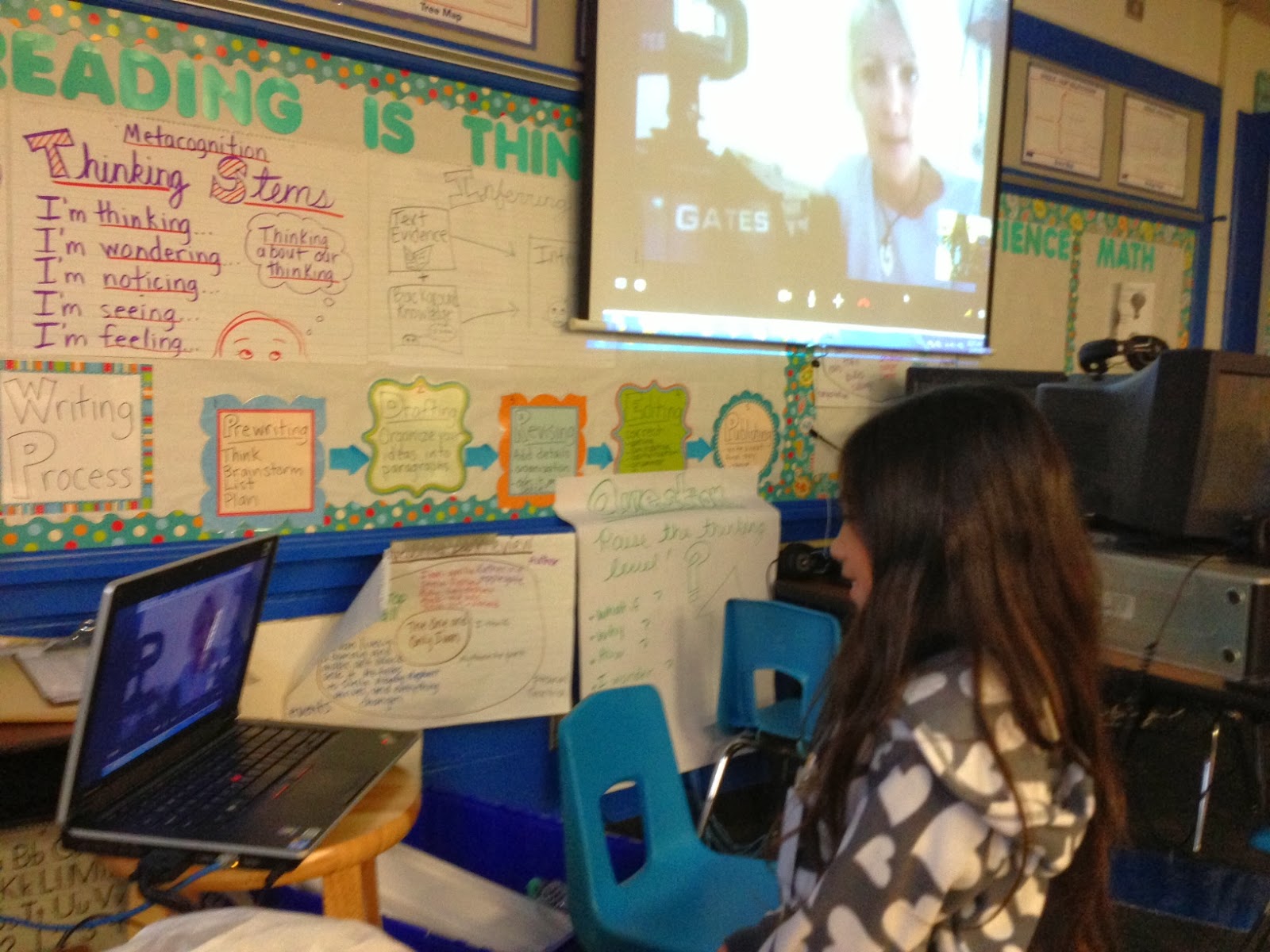
Our goal is to bring shark education into the classroom as well as offering outreach and adventure experiences for educators, families and students. We have created curriculum for grades K-6 as well as graphics, image galleries, videos, activities and crafts for kids of all ages. We also offer classroom visits both in person and via Skype Classroom. Skype has changed the way the world connects and has allowed us to reach over 5000 students in 17 countries since last October!

Skype Chat with Orphans in Uganda With CHAT to the Future ( http://chattothefuture.org/)


We have collaborated with some amazing photographers, videographers and scientists to create a unique product we are very proud to share with the world. Thanks for all your support and for taking the time to check out Sharks4Kids! You can also find us on Facebook, Twitter and Instagram @Sharks4Kids.

Together we can make a difference and we can save sharks.

Meet Norman the Nurse Shark 


Sharklab Naturalist Course: Diving with Caribbean Reef Sharks


Friday, December 20, 2013

Kids Against the Shark Cull


Mr. Grabowski’s Grade 6 Class was my first visit as part of Skype Classroom’s month of Exploring Oceans.  As a diver himself, Mr. Grabowski has a passion for the ocean that he is sharing with his students.  We talked about my work as a shark diver and underwater videographer, but I also emphasized the importance of sharks in our ocean ecosystems.  The students had some great ideas when I asked them what they thought they could do to help sharks. Despite being landlocked, it is critical for them to know they have a voice and they can make a difference. No matter the topic of the lesson or talk, my goal is to inspire students and offer them tools to feel empowered. We are all connected and we have a very important job to help this planet.

Mr. Grabowski has brought numerous scientists, conservationists and ocean adventurers into his classroom through the month of Exploring Oceans, creating a classroom of global citizens.  When the recent news about the proposed shark cull in Western Australia went viral, his students decided to speak up and their voices have definitely been heard. I noticed "Her Deepness" Dr. Sylvia Earle even responded to their letter on Twitter!

The class drafted a letter to Premier Colin Barnett and they actually received a perfectly nondescript response in return. They did not get discouraged discouraged though, writing another very well informed and passionate response. They did not go off topic, ranting about finning or some other peripheral shark issues, often the kiss of death when drafting letters to government officials.  For example: NOAA-NMFS (National Marine Fisheries Service) proposed to open the 2014 Atlantic Shark Commercial Fishing Season throughout their Atlantic coastal range, beginning January 1, 2014 instead of the previous July 1 opening date. Lemon sharks aggregate off the coast of Jupiter, Florida and are a highly vulnerable, regionally specific shark population. They are protected in state waters, but not Federal waters, making them even more susceptible to overfishing during this critical aggregation time ranging from January to April.  During the open comment period, I saw several aggressive comments against shark finning. Yes, shark finning is terrible, but this was not the issue at hand.

Mr. Grabowski’s students are setting a strong example for not only for other students, but also for the general public and other conservationists. You can speak from the heart, but you also need to stay on topic and fact check.

“Human life is very important and when lives are lost through shark attacks it is very unfortunate. However, sharks have been in our oceans for 400 million years, we can’t fault them for that. How do you ‘mitigate’ animals in their own environment? Where are they supposed to go? How do you tell a shark that tourism dollars are more important and we’ll worry about environmental and biodiversity implications later? “

I look forward to continuing my collaboration with Mr. Grabowski and his incredible students. Thank you again for inviting me into your classroom.

Sunday, November 17, 2013

Sharks in Ireland: A JAWSOME Visit with Mr. Russell's Grade 4 Boys

-->
 Due to filming commitments and travel, my Skype Classroom schedule this week was limited to 3 visits, but wow what a week.  I started off visiting with Mr. Russell’s grade 4 boys all the way in Ireland. The whole concept is so remarkable and breathes a new sense of energy and hope into the conservation and shark education movement.  

Mr. Russell’s class was JAWESOME! They were really enthusiastic and had some great questions including, “if baby birds get food from the mom, do shark babies also get food from their moms?” This seems very logical, but no, sharks do not get any maternal care. The world is tough for a baby shark. Most people think of sharks as these mighty predators ruling the ocean, but in reality life is pretty tough for sharks. When lemon sharks are born they are on their own immediately. 

In Bimini, they must seek refuge in the mangroves for the first three to four years of their lives. Very few of the pups born each spring make it to see their first birthday.  Barracudas and other sharks, including larger lemon sharks, will happily make a meal out of a neonate or juvenile lemon shark. 


Other questions included who would win in a shark vs. piranha battle and shark vs. a moray eel battle. These cracked me up because boys will be boys.  I did my best to answer in a fun and logical way and the kids exchanged high fives.  The students took turns asking questions and also sharing shark facts they already knew. I get really excited when students already know some interesting and important information about sharks.  The lesson flew by and I look forward to connecting with the students again on a shark project they will work on in the spring.  
A student asking a question via Skype


After the lesson Mr. Russell hit Twitter and some wonderful things to say.
“We learned about underwater filming, looking after our oceans and all about different types of sharks. It was SO good we're calling it epic! “

He also emailed me this note a couple of days later.
 It was the highlight of the school year for our class. The boys were so excited coming in to school today having been looking forward to this lesson for weeks - and it didn't disappoint! You could have heard a pin drop in our room for 46 minutes today as Jillian us about underwater photography and filming, about the different kinds of sharks, how we can all help to save these magnificent creatures, care for the oceans and our planet, before then taking some (a lot in fact!) of questions about her work with sharks, the sharks themselves and much more.

You've such a wonderful way with the kids, it really comes across that you're so into your work and really got the best from the class - they were hooked on every word and so enthusiastic to get involved and ask questions - as I'm sure you noticed with the sheer volume of them!

I feel that if things don't go well people are very quick to send emails/make phone calls and highlight it. Today, I felt that I had to let you know about what a positive experience we had in our class.

Thanks for making it a memorable Monday in our 4th Class!

I'm working on the photos at the moment. I'll let you know later when I have them all done.

Best Wishes,

Trystan
I was absolutely floored with his kind words. I by no means do this for recognition, but it makes my heart so happy and hopeful when I know that I am really connecting with kids.
You can check out more images on Mr. Russell’s website and hear a podcast from his students HERE.

Thank you so much Mr. Russell. You are offering students and incredibly opportunity and encouraging them to be global citizens. I look forward to collaborating in the future. 

I also visited with Mrs. Crahen's second graders in New York and Mrs. Whyte's first graders in Canada. Both classes had great questions including, 
"What is my favorite shark?"
"What is the biggest shark?"
"How old was I when I saw my first shark?"
"When did I first go diving with sharks?"
"Why do I like sharks so much?"
I absolutely love answering the questions and hope the experience makes an impact. It is so critical to get students at this age excited about sharks and our oceans and really push the fact that they can make a difference. Hopefully there are a few more shark advocates out there in the world going home and telling their parents they want to swim with sharks!
 Thanks to Mrs. Whyte and Mrs. Crahen for encouraging your students to care about sharks and our oceans! Keep up the amazing work. 


Sunday, November 10, 2013

A Month of Exploring Oceans: Week 1 Skype Classroom Visits


Inspired by Fabien Cousteau's record-breaking Mission 31 expedition, Skype Classroom is celebrating our oceans during the entire month of November. I am really excited to be participating in the Exploring Oceans program and kicked off the event with 9 classroom visits last week. This provides such an incredible experience for students around the world, whether they live near the coast or are completely landlocked. No matter where or what, we all need to know about our oceans and this is a great way to connect the world.

I started off visiting a third grade class in Texas, who were also Skyping with a class in South Africa. The technology is remarkable and really opens new doors for educators on a global scale. My next visit was with 5th graders in Connecticut followed up by 4th graders in New Hampshire. This class was a lot of fun because I was familiar with the area, being that my parents live about 90 minutes away.

A student asking my a question via Skype 


Lots of great sharky questions!

I started my next day of visits in North Carolina with a group of special needs students ranging in age from 16 to 22. I am really honored that I was asked to speak to such an incredible group and this was by far, one of my favorite lessons. Thanks Ms. Katie for reaching out! I always tell teachers they can email me additional questions if we run out of time or students think of new ones. Ms. Katie’s class asked if sharks speak English? I answered that I assume sharks speak, “shark,” whatever language they may be. We know they communicate, but there is not yet a full understanding of how this is done.

I then spoke with a group of 3rd graders from Indiana before heading back to North Carolina to finish of the day with another group of 3rd graders. My final day of visits included classes in North Carolina, Canada and Oklahoma. Blows my mind to think about my travels and how many more students I am able to reach through the Skype Classroom program. There is no way I could fly around and do all these visits in person, but through the computer we are connecting the world and creating an army of global citizens.


Speaking to Mrs. Davie's Students in Oklahoma


Hammerheads were pretty popular during the week with questions about their eyes, vision and head shape. Talking about hammerheads is always fun for me because great hammerheads are my favorite animal on the planet. I always get excited when students ask about them or want to see more images or videos. I try to include time for as many questions as possible because I think the interaction is the most important part of the lesson. I have a message about sharks I want to spread, but I also want to make sure students are feeling as though they are being heard and hopefully by answering their questions I am doing this.

Each visit is different and tailored to the age of the students and to their questions. Some classes just want to know more about sharks, while others want to know more about what I actually do. I love the diversity, as it keeps it excited and keeps me on my toes. Looking forward to nearly 30 visits during November, so stay tuned.

Thanks to Ms. Musa, Mrs. Jones, Mr. Ferguson, Mrs. Benevides, Ms. Katie, Ms. Jackson, Mrs. Weaver, Mrs. Moore and Mrs. Davies for such a JAWSOME week and for encouraging your classes to care about sharks and our oceans.